Women Who Carry Their Baskets
In praise of women who carry their own basket.
The purpose of this page is honoring women who make choices regarding their lives and live by them.
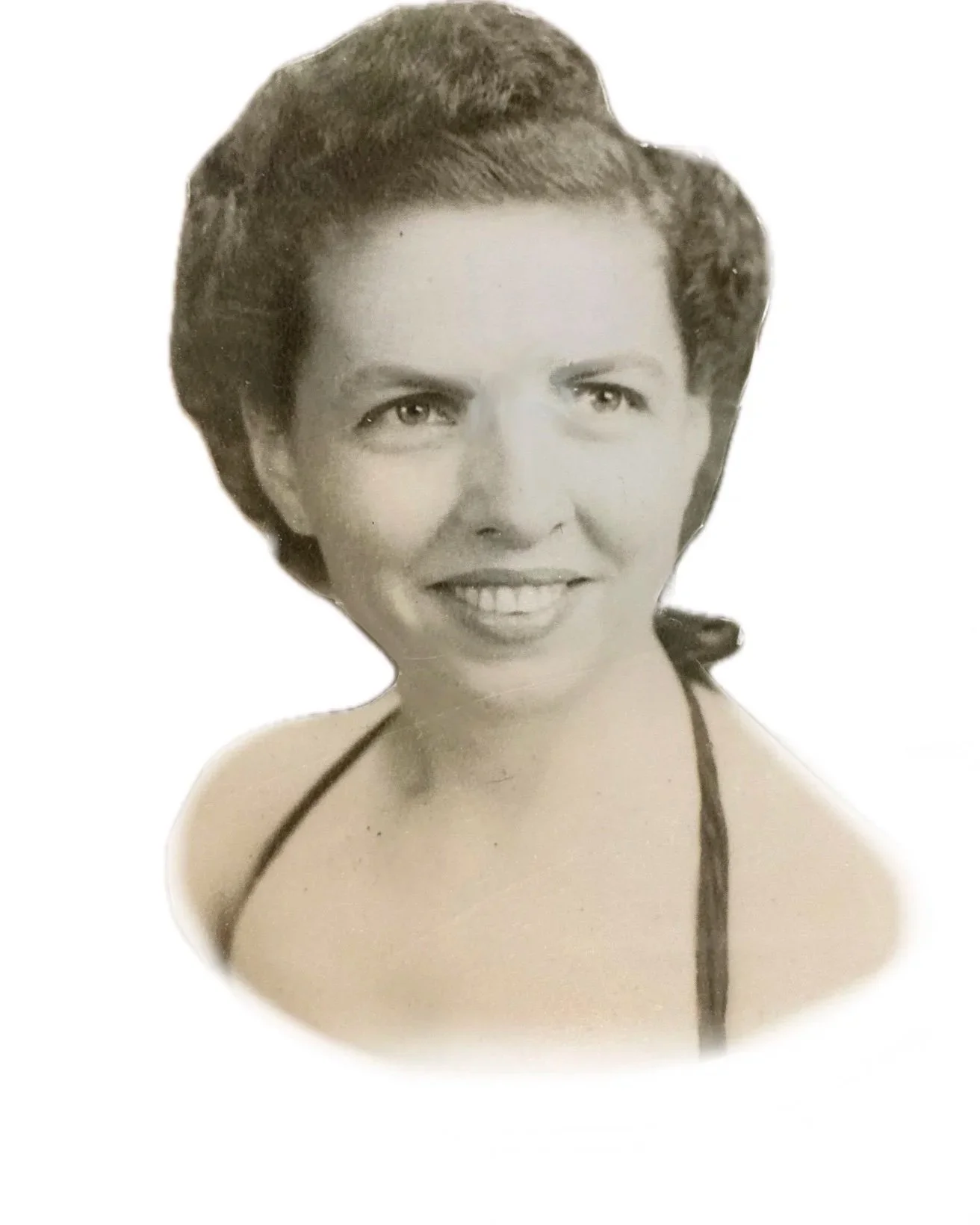
MaMa - a woman ahead of her time
My Grandmother was woman who carried her basket all of her life. She grew up in rural Tennessee and married young to escape an oppressive household. She moved to Michigan with her husband where she finished high school, went to work, and proceeded to produce two children. When her children were three and five she left her husband because he was physically abusive, and moved back to Tennessee.
She enrolled in nursing school but quickly dropped out due to the lack of childcare options and money. She took a job in the local, family owned department store as a sales clerk. From there she worked her way up in the organization to become head buyer for soft goods for the entire chain. Over the years she traveled to New York frequently, and developed her professional style which include designer handbags and mink coats. At the age of sixty she earned her college degree. At the age of eighty she finally retired.
During the course of her professional life she remarried, had two more children late in life, and was my grandmother. She was never warm and doughy like the stereotypical grandmother. She did not bake cookies, or babysit, or read us nighttime stories. She did dress smartly, go to work daily, and return home at the end of day crisp and sharp. She set an example for me and my sisters regarding what it means to be a professional woman, before any of us knew what our professions would be. She gave us an alternative paradigm with respect to the role of women in the workforce that enabled us to think beyond the professions of teaching or nursing. Her example let us know our options were vast and obtainable. She taught me that a briefcase would be my purse.

Katie Lee
Katie Lee was born in Tucson, Arizona in 1919. She was the daughter of a real estate developer and his wife. She attended the University of Arizona in the 1930s, and earned a bachelors degree in fine arts from there. In 1948 she moved to Hollywood to begin a career in acting and singing. She managed to procure a few small acting roles, but made her name in radio with recurring roles in such shows as Halls of Ivey, The Great Gildersleeve, and The Railroad hour.
Folk singing, however, was where Katie Lee experienced her first real and sustained success. She recorded fourteen original albums and was admired by such artists as Burl Ives and Carl Sandburg. In fact, Ives once said, “The best cowboy singer I know is a girl: Katie Lee.”
However, Katie Lee’s real claim to fame is her environmental activism and her life long advocacy for natural spaces and roads less traveled. In 1953 she was home for a break from Hollywood when she saw footage of a friend’s rafting trip on the Colorado River and knew she had to go there. And she did; first, on expeditions where she played the guitar at night for the paying customers; and then with two companions searching for unexplored places, and recording the majesty of the canyons in photographs. In her later life she said, “The best lover I ever had was that river.”
In 1966 Glen Canyon Dam was completed and the canyon lands that Katie loved were submerged. For the rest of her life she actively protested this transformation of western wilderness. She wrote books about her experiences in the west in general (Ten Thousand Goddam Cattle) and in the canyon in particular (All My Rivers Are Gone: A Journey of Discovery Through Glen Canyon). She was an unrelenting advocate for the natural world and a woman of adventure all of her life.
She engaged in her first acting at thirty, wrote her first book after forty, traveled to Australia for a “walk about” alone at sixty. At 98 she decided she had had enough, and quietly slipped away. She married repeatedly, swore constantly, carried herself brazenly, lived simply, and stayed true to her mission of advocacy for natural western spaces all of her life. She carried her own basket, and guitar, and camping gear all of her days, and she did it with complete irreverence and panache.
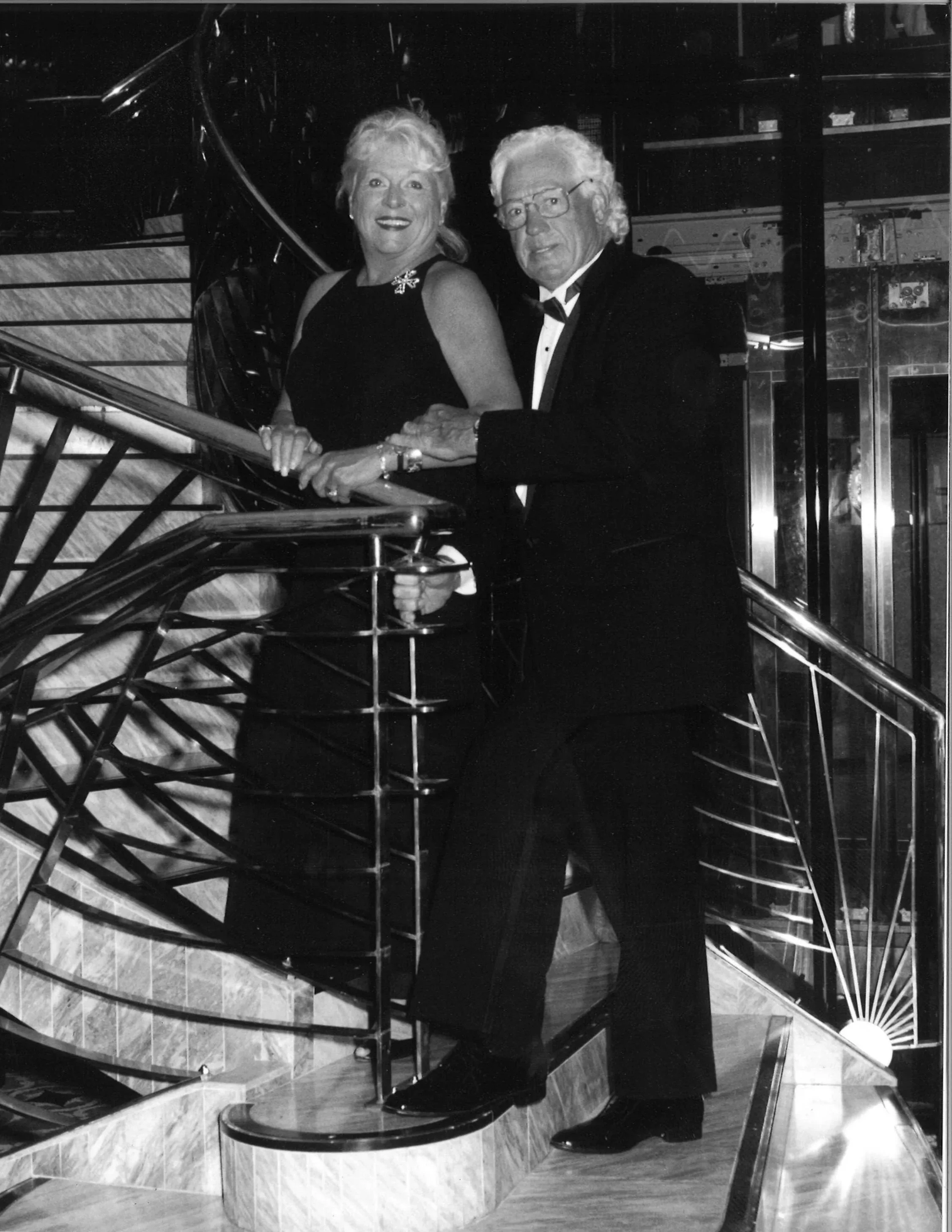
My Mother
My mother, Paula Leachman, is a woman who has always carried her own basket. By that what I mean is, she is a woman who has made a series of choices regarding her life, and has lived by them. She did this when times were good and it was easy, and she did this when times were hard. In particular, she made the choice at 18 to marry my dad. She chose him and that was that, as she would say. She signed on to a vagabond life in football; orchestrating over 13 major moves; raising 3 children alone for half of every year; handling all of the banking and finances; dealing with all of the educational issues; and, even dressing my dad due to his horrible taste.
But the heaviest basket she has carried was my father’s decline from Chronic Traumatic Encephalopathy (CTE). That decline started early (in the mid 1990s), when my father was in his early 60s, and progressed slowly over 18 years, until my dad’s death in 2012. My mother covered for him in the early years. She taught him to read again when he lost that function. She made sure he was clean, and shaved, and properly dressed. She made sure he was well taken care of in the nursing home. She made sure he was fed every day even if it required 2 hours to get that job done. She made sure we, his family, always honored him and held him close. She loved him until the end and made sure we did too.

Pauli Murray
Pauli Murray (Anna Pauline Murray) lived from 1910-1985. She was an American civil rights activist, a women’s rights activist, a lawyer, a poet, a writer, an academic, an Episcopal priest. She was the first woman in her law school class at Howard. She was the first African American to earn a doctor of juridical science of law from Yale. She was the first woman to be ordained as an Episcopal priest. She was the first black deputy attorney general for the state of California. She was The National Council of Negro Women’s woman of the year in 1945. Mademoiselle named her their woman of the year in 1947. She was the co-founder of the National Organization for Women. She was an advocate for women and minorities all of her life.
Pauli Murray called out the NAACP for sexism. She refused to be denied an education, a profession, or a voice in the the national dialog on race and sexism. She refused to dress in a feminine manner and accept a traditional role. She preferred women and relationships in which she was the “man.” She never hid her preferences or her intellect. She never accepted less than what she deserved without a fight. And, over time her faith in herself and her abilities earned her respect, and a place in history. She carried her own non-traditional basket with moxie.